
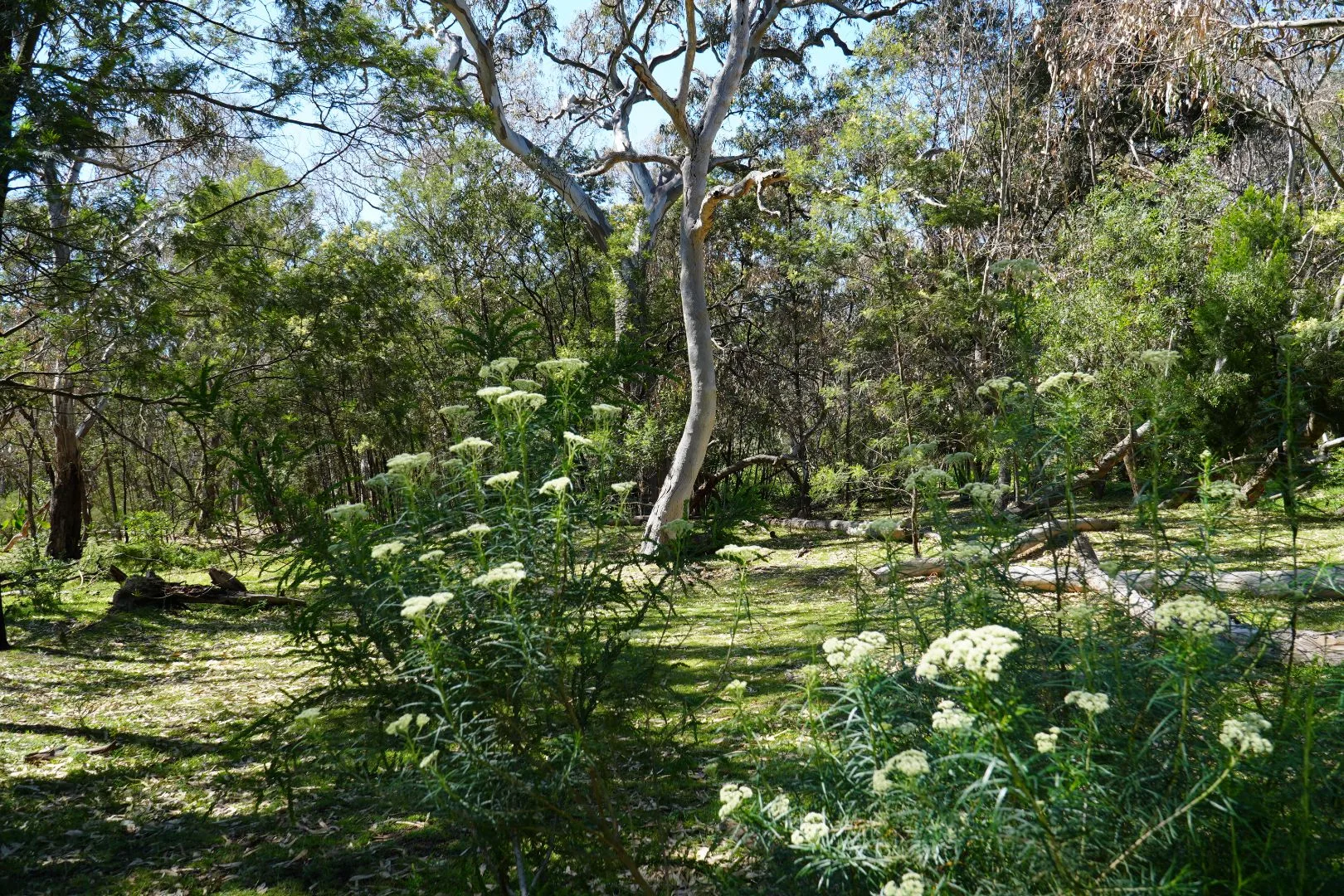
AHC21024 Certificate II in Conservation and Ecosystem Management
The AHC21024 Certificate II in Conservation and Ecosystem Management is a nationally recognised qualification that equips learners with the practical skills and foundational knowledge to work in conservation and land management industries. This qualification focuses on restoring and maintaining natural ecosystems, protecting native plants and animals, managing environmental sustainability, and supporting Indigenous land management and parks services. It is suitable for those interested in beginning a career in environmental conservation or progressing to further study in this field.
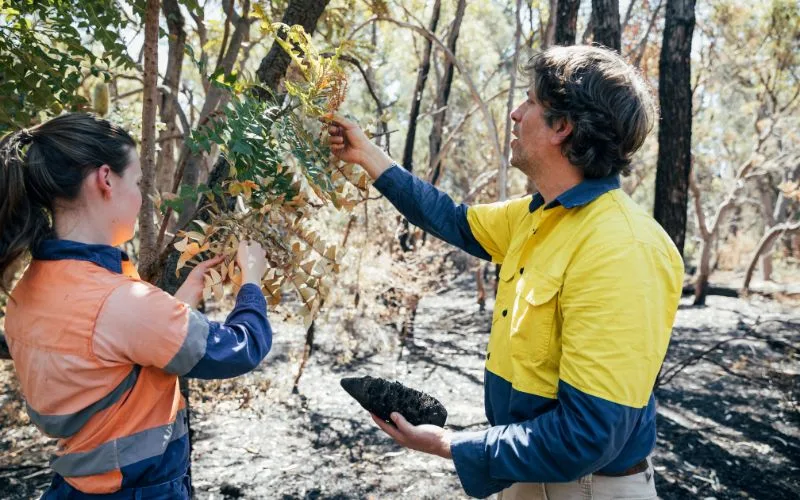
Learning Outcomes
Upon successful completion, learners will be able to:
Qualification Requirements
To achieve this qualification, competency must be demonstrated in:
- 15 units of competency:
- 2 core units plus
- 13 elective units.
Elective units must ensure the integrity of the qualification’s Australian Qualification Framework (AQF) alignment
and contribute to a valid, industry-supported vocational outcome.
The electives are to be chosen as follows:
- At least 4 units must be selected from Group A
- Remaining units can be selected from Group A or Group B and up to 3 units from any Training Package or accredited course
Core Units
- AHCWHS202 Participate in workplace health and safety processes
- AHCWRK211 Participate in environmentally sustainable work practices
Elective Units
Group A
- AHCBIO203 Inspect and clean machinery, tools and equipment to preserve biosecurity
- AHCECR202 Maintain wildlife habitat refuges
- AHCECR203 Perform basic ecological restoration works
- AHCFAU202 Recognise fauna
- AHCLPW201 Operate a handheld GPS device
- AHCPCM204 Recognise plants
- AHCPGD212 Conduct visual inspection of park facilities
- AHCPMG201 Treat weeds
- AHCPMG202 Treat plant pests, diseases and disorders
- AHCWRK212 Work effectively in industry
- AHCWRK213 Participate in workplace communications
- SITXCCS010 Provide visitor information
Group B
- AHCCHM201 Apply chemicals under supervision
- AHCINF205 Carry out basic electric fencing operations
- AHCINF206 Install, maintain and repair farm fencing
- AHCLSC206 Assist with landscape construction work
- AHCLSC210 Install tree protection devices
- AHCMOM202 Operate tractors
- AHCMOM203 Operate basic machinery and equipment
- AHCMOM213 Operate and maintain chainsaws
- AHCMOM216 Operate side by side utility vehicles
- AHCMOM217 Operate quad bikes
- AHCNSY206 Care for nursery plants
- AHCPGD207 Plant trees and shrubs
- AHCSOL203 Assist with soil or growing media sampling and testing
- AHCWRK210 Observe and report on weather
- AHCWRK214 Observe workplace quality assurance procedures
- BSBTEC201 Use business software applications
Training and Education Pathways
Possible Careers
This qualification develops practical job-ready skills combined with ecological knowledge to enable employment in a growing field focused on preserving and restoring Australia’s natural environments.
